Information sheet | Project report The potential of late budding walnut varieties
Interest in walnuts is growing
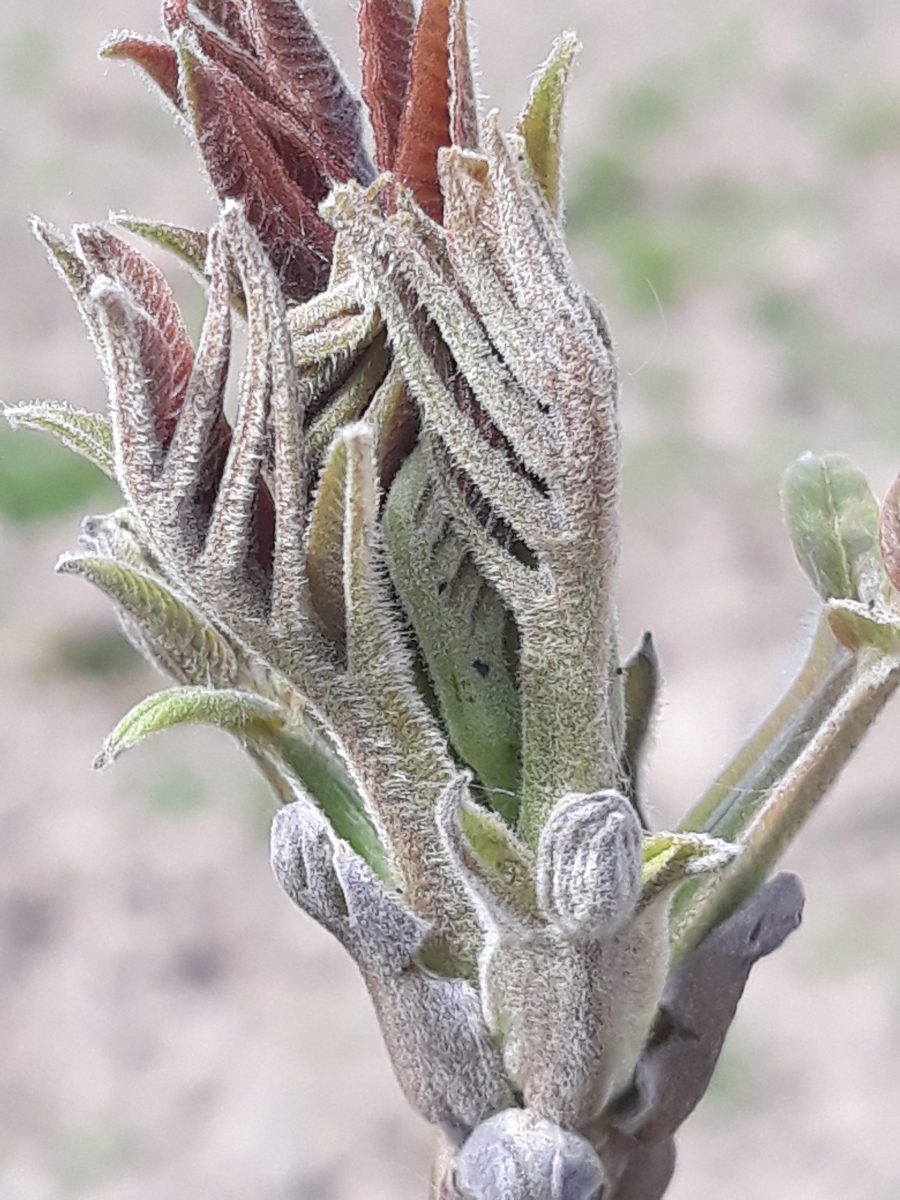
In recent years, we have seen a noticeable increase in interest in walnuts among Flemish and Dutch farmers and agroforestry pioneers. The timing of budding and flowering in walnuts depends on the variety and season, with some varieties sprouting as early as the end of March and others only in the second half of May or later. In the latter case, we speak of late-budding walnuts or LUW trees.
Nut experts and growers pointed out the untapped potential of these LUW trees in agroforestry and more intensive nut orchards. Late sprouting can further reduce the shadow pressure on catch crops in agroforestry, but also reduce the risk of damage and loss of production due to late spring frost, which can occur until the Ice Saints (15 May). Varieties that sprout late are also believed to be less susceptible to some common diseases and pests in nut trees.
LUW trial
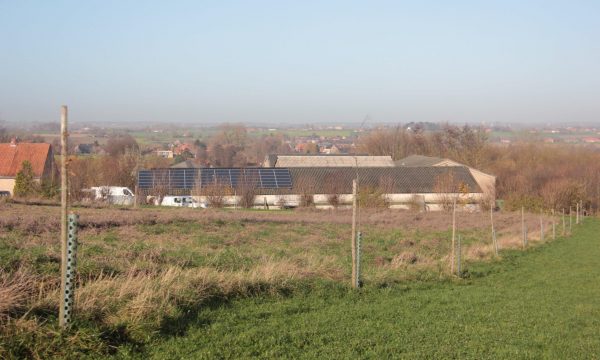
LUW varieties are not yet commercially available, and therefore, in collaboration with Flemish and Dutch nut experts, grafting wood was collected from mother trees that were found to be late budding. These trees were propagated, cultivated, and ultimately planted in the winter of 2020-2021 across seven trial locations. This trial aims to compare the phenology, growth, flowering, health and ultimately the nut production and quality between these different varieties in the long term. This is done both between the LUW varieties and compared to the commercial control varieties.
During the first three trial years, five trial locations were ultimately selected for more detailed monitoring of the trees. Parameters that were monitored were leaf sprouting, flowering, leaf damage and tree growth. Various protocols were developed for this purpose.
Preliminary results
The first three trial years showed that the selected LUW trees only started to bud after 15 May. Although there was some variation within the LUW varieties, the last varieties only started to bud at the beginning of June. The current control varieties consistently budded before 15 May. Initial monitoring of flowering also indicated flowering after 15 May in the LUW trees, which is again crucial in avoiding production losses due to frost damage. Due to the limited number of trial years, we must still be cautious with these conclusions. Further monitoring in the coming years must confirm them. This is even more the case for findings regarding leaf damage, where the LUW trees appeared to be slightly less sensitive to leaf damage due to diseases and pests.
The various trial plantings have already taken off well, which gives confidence that continued monitoring in the coming years will provide many interesting insights. This also applies to yield, taste and other relevant nut properties of the LUW varieties, and their sensitivity to diseases and pests.
Read the full report
If you would like to read the full report, you can access it here: AF2025 report LUW